
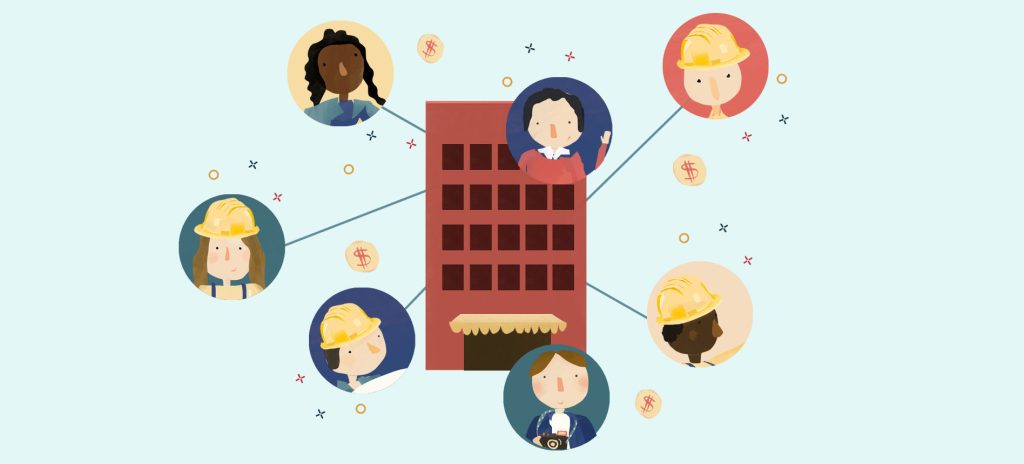
types of HR outsourcing: Recruiting: Many companies choose to outsource their recruiting needs in order to save time and money. This includes everything from posting job descriptions to conducting interviews. Training: Another common area that companies outsource is training. This can be anything from new hire orientation to ongoing professional development. Benefits: Many companies also outsource their benefits administration, which includes tasks like enrollment, claims processing, and customer service. payroll: Outsourcing payroll is another popular option for companies. This can include everything from calculating taxes to issuing checks.
Advantages and Disadvantages of HR Outsourcing
The Advantages and Disadvantages of HR Outsourcing Human resources outsourcing has become increasingly popular among companies in recent years. There are several advantages that can be gained by outsourcing HR functions, including cost savings, improved efficiency, and access to expert knowledge. However, there are also some potential disadvantages that should be considered, such as loss of control and decreased employee morale. One of the biggest advantages of HR outsourcing is that it can lead to significant cost savings. Companies often find that they can save money by outsourcing HR functions because they no longer need to hire and train in-house staff. In addition, HR outsourcing can help to improve efficiency by reducing the time spent on administrative tasks. Another advantage of HR outsourcing is that it provides access to expert knowledge. When companies outsource HR functions, they can tap into the expertise of experienced professionals who can help to streamline processes and improve performance. However, there are also some potential disadvantages to HR outsourcing that should be considered. One of the biggest risks is that companies can lose control over their HR functions. When outsourcing, it is important to make sure that you choose a reputable and reliable partner who will uphold your company’s standards. Another potential downside of HR outsourcing is that it can lead to decreased employee morale. If employees feel that they are being treated like a number or that their job is at risk of being outsourced, this can lead to dissatisfaction and may even lead to turnover. Overall, the advantages and disadvantages of HR outsourcing should be carefully considered before making a decision. While there are many potential benefits, there are also some risks that should be taken into account. By weighing all of the factors involved, you can make the best decision for your company.
10 Myths about HR Outsourcing You Should Know
If you’re considering outsourcing your human resources (HR) functions, you may have come across some common myths about the process. Here are 10 of the most prevalent HR outsourcing myths, and the truth behind them: 1. Myth: Outsourcing HR is expensive. Truth: While there may be an upfront cost to outsourcing HR, it’s important to consider the long-term savings. When you outsource HR, you free up time and resources that can be better spent on other areas of your business. In addition, you can avoid the costs associated with hiring and training in-house HR staff.
2. Myth: Outsourcing HR is complicated. Truth: Outsourcing HR can actually simplify your HR functions. When you work with a reputable HR outsourcing company, they will handle all the complex HR processes for you, leaving you free to focus on other aspects of your business.
3. Myth: Outsourcing HR will lead to job losses. Truth: Outsourcing HR does not necessarily lead to job losses. In fact, it can actually help you create new jobs. When you outsource HR, you free up time and resources that can be better spent on other areas of your business. This can lead to new job creation, as well as increased efficiency and productivity.
4. Myth: Outsourcing HR means giving up control. Truth: When you outsource HR, you still maintain control over your HR functions. You will work closely with your HR outsourcing company to ensure that your HR processes are aligned with your business goals. In addition, you can set strict guidelines and parameters for your HR outsourcing company to follow.
5. Myth: All HR outsourcing companies are the same. Truth: Not all HR outsourcing companies are the same. It’s important to do your research to find an HR outsourcing company that is a good fit for your business. Make sure to look at the company’s size, experience, and services offered.
6. Myth: HR outsourcing companies are only interested in making money. Truth: While profit is important for any business, reputable HR outsourcing companies are also interested in providing quality services. Look for an HR outsourcing company that has a good reputation and is transparent about their pricing.
7. Myth: HR outsourcing companies are difficult to work with. Truth: The best HR outsourcing companies are easy to work with. They will take the time to understand your business goals and needs. In addition, they will be responsive to your questions and concerns.
8. Myth: I don’t need HR outsourcing if I have an in-house HR team. Truth: Even if you have an in-house HR team, you may still benefit from HR outsourcing. If your HR team is overworked or doesn’t have the necessary expertise, outsourcing HR can help fill the gaps.
9. Myth: HR outsourcing is only for large businesses. Truth: HR outsourcing can be beneficial for businesses of all sizes. If you don’t have the time or resources to effectively manage your HR functions, outsourcing HR can help you free up time and resources.
10. Myth: HR outsourcing is risky. Truth: Like any business decision, there are risks associated with HR outsourcing. However, these risks can be mitigated by working with a reputable HR outsourcing company. Make sure to do your research and find an HR outsourcing company that is a good fit for your business.
Everything You Need to Know about HR Outsourcing
The human resources department is one of the most important departments in any company. The department is responsible for a variety of tasks, including hiring and firing, employee benefits, and payroll. With all of these responsibilities, it’s no wonder that many companies are outsourcing their human resources functions. Outsourcing human resources can be a great way to save money and time. When you outsource your human resources functions, you’re able to focus on your core business functions. You also don’t have to worry about the overhead associated with maintaining a human resources department. There are a few things you should keep in mind if you’re thinking about outsourcing your human resources functions. First, you’ll need to find a reputable human resources outsourcing company. There are many companies that claim to be experts in human resources outsourcing, but not all of them are created equal. Do your research and make sure you find a company that has a good reputation. Second, you’ll need to decide what human resources functions you want to outsource. This will vary from company to company, but some common functions that are outsourced include payroll, benefits administration, and recruiting. Finally, you’ll need to negotiate a contract with the human resources outsourcing company. Make sure you understand the terms of the contract and that you’re comfortable with them. Once you’ve signed a contract, you’ll be able to start outsourcing your human resources functions. Outsourcing human resources can be a great way to save money and time. However, it’s important to do your research and choose a reputable company. With a little bit of planning, you can successfully outsource your human resources functions.
The Pros and Cons of HR Outsourcing
The pros and cons of HR outsourcing depend on the company’s needs. Businesses should evaluate if they need to outsource all or some of their HR functions. To make the decision, they need to understand the advantages and disadvantages of HR outsourcing. Advantages There are many advantages to outsourcing HR functions. It can save the company money, as they do not need to hire and train in-house staff. It can also free up time for managers to focus on other areas of the business. Additionally, HR outsourcing can bring in expert knowledge and help the company to stay up-to-date with employment law. Disadvantages There are some disadvantages to HR outsourcing. It can be difficult to build a good working relationship with an outsourced team, as there can be communication difficulties. There is also a risk that the quality of service may not be as high as it would be if the company had its own in-house HR team.
What Is HR Outsourcing and Is It Right for Your Business?
When it comes to staying competitive, many businesses are turning to human resources (HR) outsourcing. By outsourcing HR functions, businesses can focus on their core competencies while still maintaining compliance with employment regulations. But what exactly is HR outsourcing? And is it the right solution for your business? In general, HR outsourcing is the process of transferring all or portions of an organization’s HR functions to an external provider. The provider assumes responsibility for all or some of the HR tasks, including payroll, benefits administration, and employee recruitment and training. There are several benefits of HR outsourcing. Perhaps the most obvious is that it can save your organization time and money. When you outsource HR functions, you no longer have to dedicate in-house resources to managing these tasks. This can free up your staff to focus on more strategic initiatives. Outsourcing HR can also help you stay compliant with employment regulations. Keeping up with constantly changing laws and regulations can be a full-time job in itself. But when you outsource HR, you can be confident that your provider is up to date on all the latest requirements. This can help you avoid costly penalties for non-compliance. Another advantage of HR outsourcing is that it can give you access to a larger pool of talent. When you outsource HR functions, you can work with a provider that specializes in recruiting and staffing. This can give you a competitive edge in attracting top talent to your organization.
Of course, there are also some potential drawbacks to HR outsourcing. One is that you may lose some control over your HR functions. When you outsource HR, you are relying on another organization to manage critical functions like payroll and benefits administration. This can be risky if the provider is not reliable or if there are communication problems. Another potential downside is that you may not be able to customize your HR services to meet your specific needs. When you work with an HR outsourcing provider, you may have to use the provider’s standard services and offerings. This can be limiting if your organization has unique HR requirements. Before you decide to outsource HR functions, it’s important to carefully consider the pros and cons. HR outsourcing can be a great solution for many businesses, but it’s not right for everyone. By taking the time to assess your needs, you can be sure you’re making the best decision for your organization.
How to Use HR Outsourcing to Grow Your Business
In today’s business world, HR outsourcing is becoming increasingly popular. After all, it’s a great way to save time and money. Not to mention, it can also help you grow your business. If you’re thinking about HR outsourcing, here are four tips to help you make the most of it: 1. Define your goals. Before you start working with an HR outsourcing company, it’s important to have a clear understanding of your goals. What do you hope to achieve by outsourcing HR? This will help you choose the right provider and ensure that they’re able to deliver on your expectations. 2. Do your research. There are a lot of HR outsourcing companies out there, so it’s important to do your research and find one that’s a good fit for your business. Ask for recommendations, read online reviews, and compare pricing. 3. Communicate with your team. If you have employees, it’s important to communicate with them about your decision to outsource HR. Let them know why you’re doing it and how it will benefit the company. This will help ensure that they’re on board with the change. 4. Implement a smooth transition. When you switch to an HR outsourcing company, there will be a bit of a transition period. To make things go as smoothly as possible, it’s important to have a plan in place. This should include training for your team and a clear understanding of who to contact with questions or concerns. By following these tips, you can use HR outsourcing to save time, money, and help grow your business.